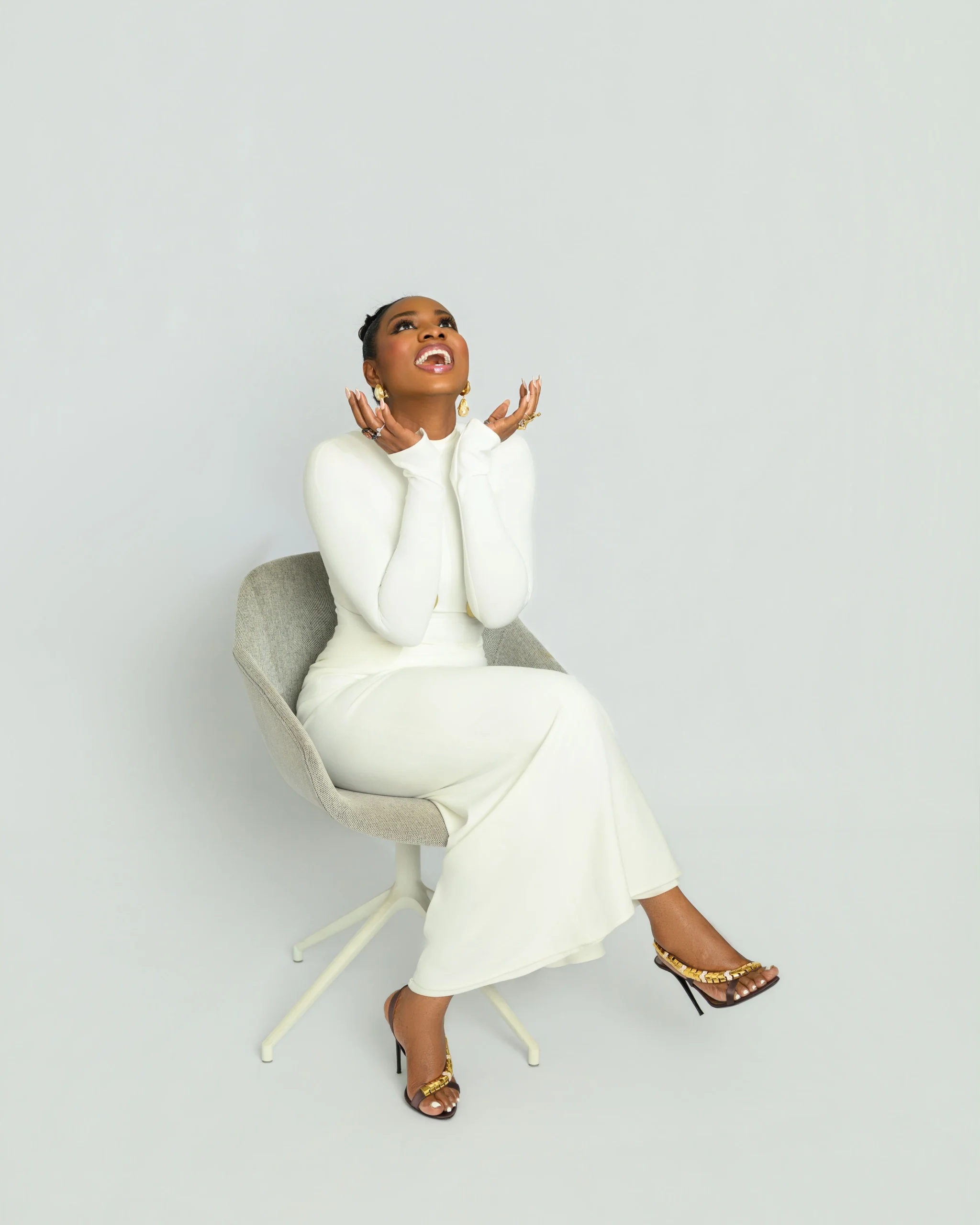


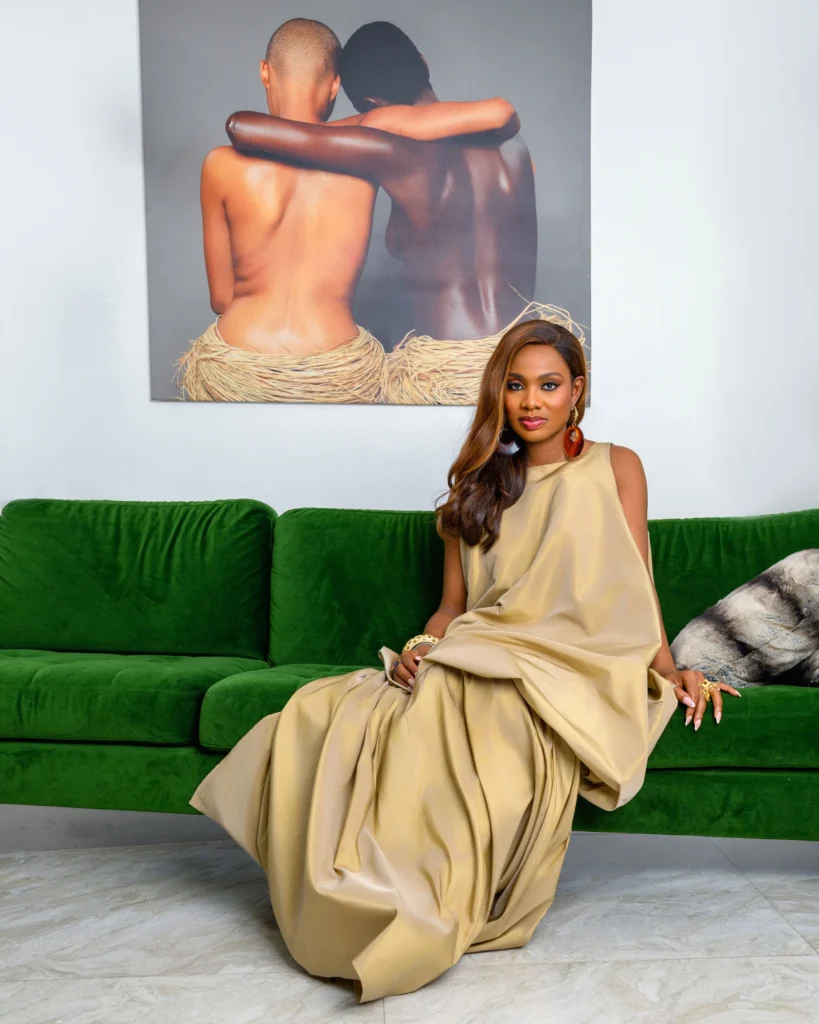
Fifteen years ago, Oke Maduewesi set out to build more than a beauty brand. She set out to prove what was possible when Africans chose to build for Africa.
What began with conviction, grit and an unwavering belief in the African market has grown into Zaron, one of the continent’s most recognisable beauty brands. Over 15 years, Maduewesi has watched the African beauty landscape transform alongside a generation of women becoming increasingly confident, visible and unapologetic about who they are.
In this special anniversary conversation with SCHICK, Maduewesi reflects on the journey from Zaron’s early days of “eating, dreaming and sleeping” the business to the realities of leading a brand through changing generations, markets and expectations. She speaks candidly about conviction, adaptability, entrepreneurship, African ownership and the responsibility of building something that can outlive its founder.
As Zaron enters its next chapter, Maduewesi is thinking less about simply building and more about continuity, sustainability and legacy. Because for her, the ultimate ambition is clear: Zaron must outlive her.
Fifteen years in, Oke Maduewesi is still building. And she believes Africa is only getting started.
Fifteen years ago, what did you see in the beauty industry that everyone else seemed to overlook?
“Fifteen years ago, it really wasn’t about the beauty industry for me. It was about Africa as a business space, particularly the opportunities in Nigeria, and what could be built here. I felt there was something in Africa that I needed to build and grow.
I’ve always believed that Africans have to build Africa. Only Africans can truly build Africans and take us to where we need to be. So, for me, it was about believing in that opportunity and refusing to give up, especially in Nigeria.
Even today, regardless of how difficult the economy or the country may be, I still believe the opportunities are there and that they are within reach. I didn’t want to leave those opportunities in the hands of foreign brands. I believed Africa, as a business hub, should also be driven and shaped by Africans.
So, cosmetics became the vehicle for pursuing what I truly wanted to do, which was to build and grow a successful business in Africa.
When you think back to the earliest days of Zaron, what’s one memory that still feels just as vivid today?
“When I think back to the early days of Zaron, what stands out most is the drive and the passion. I think age has something to do with it, because the energy we had then was just different. It was raw. It was pure grit.
At the time, our slogan was, ‘You eat, dream and sleep Zaron Cosmetics,’ and we actually lived it. Every day, we came to work completely immersed in the business. We were out there on the streets, doing whatever it took to make sure Zaron got to where we believed it could be.
When I look back at those early days, it’s incredible to see how that passion and determination shaped who we are today. I’m genuinely grateful to God for giving us that zeal and that energy to keep pushing.
The drive is still there, absolutely. But I have to admit, I’m not sure I have quite the same energy I had back then!”
Was there ever a moment when you genuinely thought, “I don’t know if this is going to work”?
“Honestly, there was never a Plan B. I know that may surprise people, but I genuinely never had a moment when I thought, ‘I don’t know if this is going to work.’
I was coming from the financial sector, where I had a really good career path and was progressing very quickly. So, in many ways, I had something I could have fallen back on. But I never saw it that way. I was completely convinced that this was going to work.
Maybe you could call it blind optimism, but I think it was really an incredible level of conviction. I just kept telling myself, ‘This is it. It’s going to work.’ The business consumed me completely. So even when we faced challenges, I never looked back or considered giving up, because I had already decided in my mind that we were going to make it work.
There was never a second when I thought, ‘This isn’t going to work.’ I just kept going. And, thankfully, that conviction paid off.”
Building an African Beauty Brand
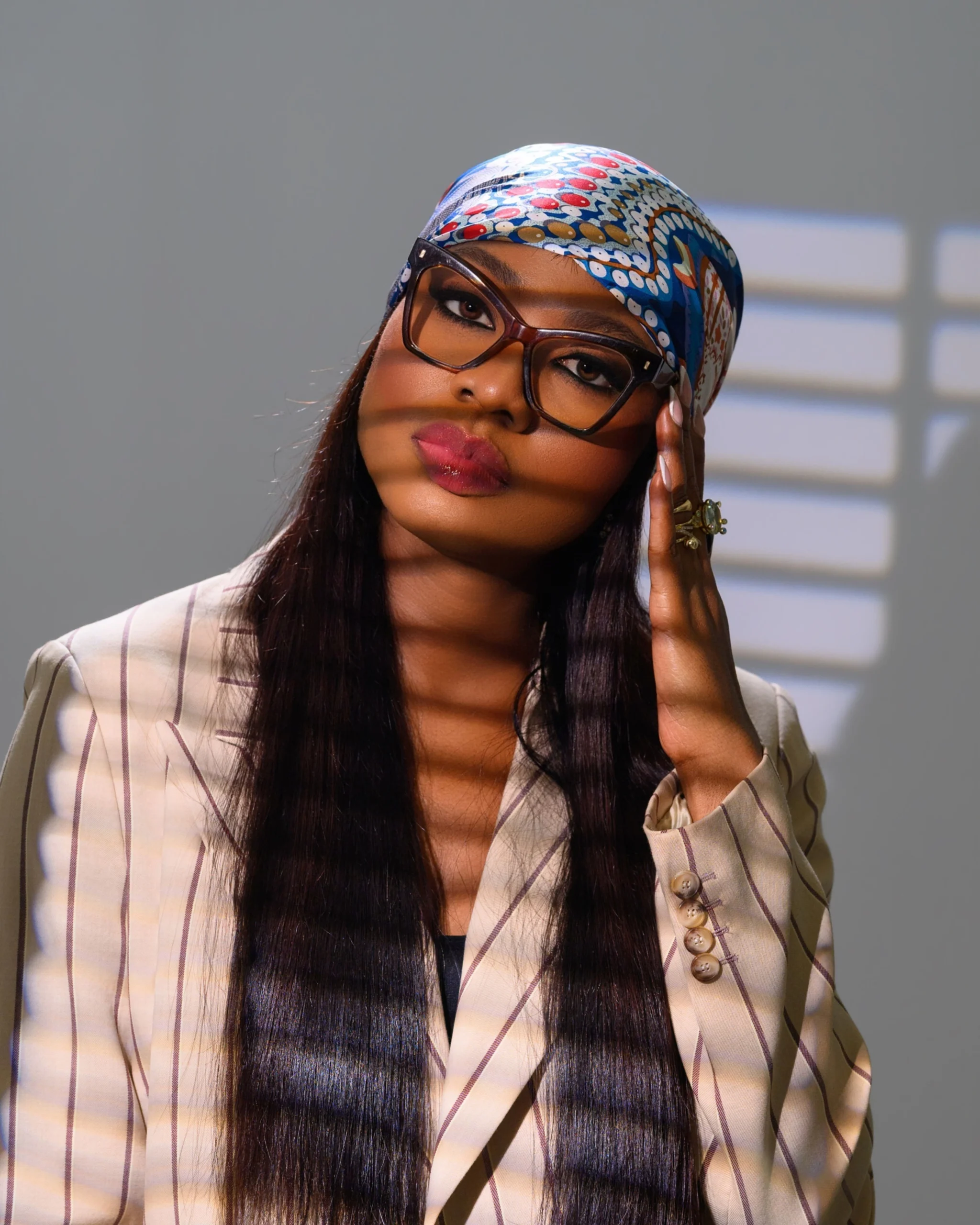
Zaron has grown alongside an entire generation of Nigerian women. How has the woman you create for evolved over the last 15 years?
I think African women have evolved in so many ways over the last 15 years, and it wouldn’t be fair for me to take all the credit for that evolution. Africans generally have evolved to become more comfortable with who they truly are and to own their identity in every way, shape, and form, and that has been beautiful to see.
The African woman today is far more confident. We are genuinely proud of being African, and we carry that identity with a real sense of pride. To be in a business where you get to witness that growth and that becoming has been one of the most rewarding parts of what we do.
As a woman, as a Nigerian, and as an African, it’s beautiful to see us empower ourselves with everything it takes to feel whole and to be unapologetic about who we are.
I think there’s something incredibly powerful in simply knowing that being African is beautiful.
What has it meant to build a beauty brand that speaks to African skin tones and African women first?
That’s one of the things we’re most proud of.
From the very beginning, we were very intentional about building for a specific market: Africans.
I always say that one of the things we’re most proud of is creating beauty products made by women of colour, for women of colour. It was never about trying to be everything to everyone. It was about understanding the African woman and creating products specifically for her.
Over the years, many people have encouraged us to expand that scope and create products that cater to other parts of the world. But I’ve always said ‘no’, because our goal is to build for Africa. We started at a time when there simply weren’t enough beauty products that truly catered to women of color, and that remains an important part of who we are.
So we’re not going to relent on that. It’s part of our identity, it’s part of our purpose, and it’s one of the most rewarding things about building this business.
The beauty industry has become more crowded than ever. What do you believe has kept Zaron relevant?
I completely agree that the beauty industry has changed, although I wouldn’t necessarily describe it as more crowded. I think it has become more rewarding, more visible, and, importantly, there are more Black and African-owned businesses taking ownership of that space, and I think that’s beautiful.
What people sometimes forget is that there were beauty products before Zaron. What was missing were enough locally owned beauty brands that were created specifically with African consumers in mind.
Today, the market is much wider, and there are many more brands. But the beautiful part is that more of those brands are locally owned. And if I truly believe that Africans should be the ones building Africa, then I have to welcome and celebrate more Africans building businesses that thrive.
So I don’t see that as taking anything away from Zaron. In fact, I think it reduces the dominance and influx of foreign brands, and that is ultimately good for Africa.
Zaron remains one of the strongest and fastest-growing beauty brands in Africa, and I think that positioning is very important. But beyond Zaron, I’m also proud that our presence has helped give other Nigerian and African brands the confidence to enter and compete in this market.
So I’m very happy to see more of them come into space, to me, that’s progress.
Leadership
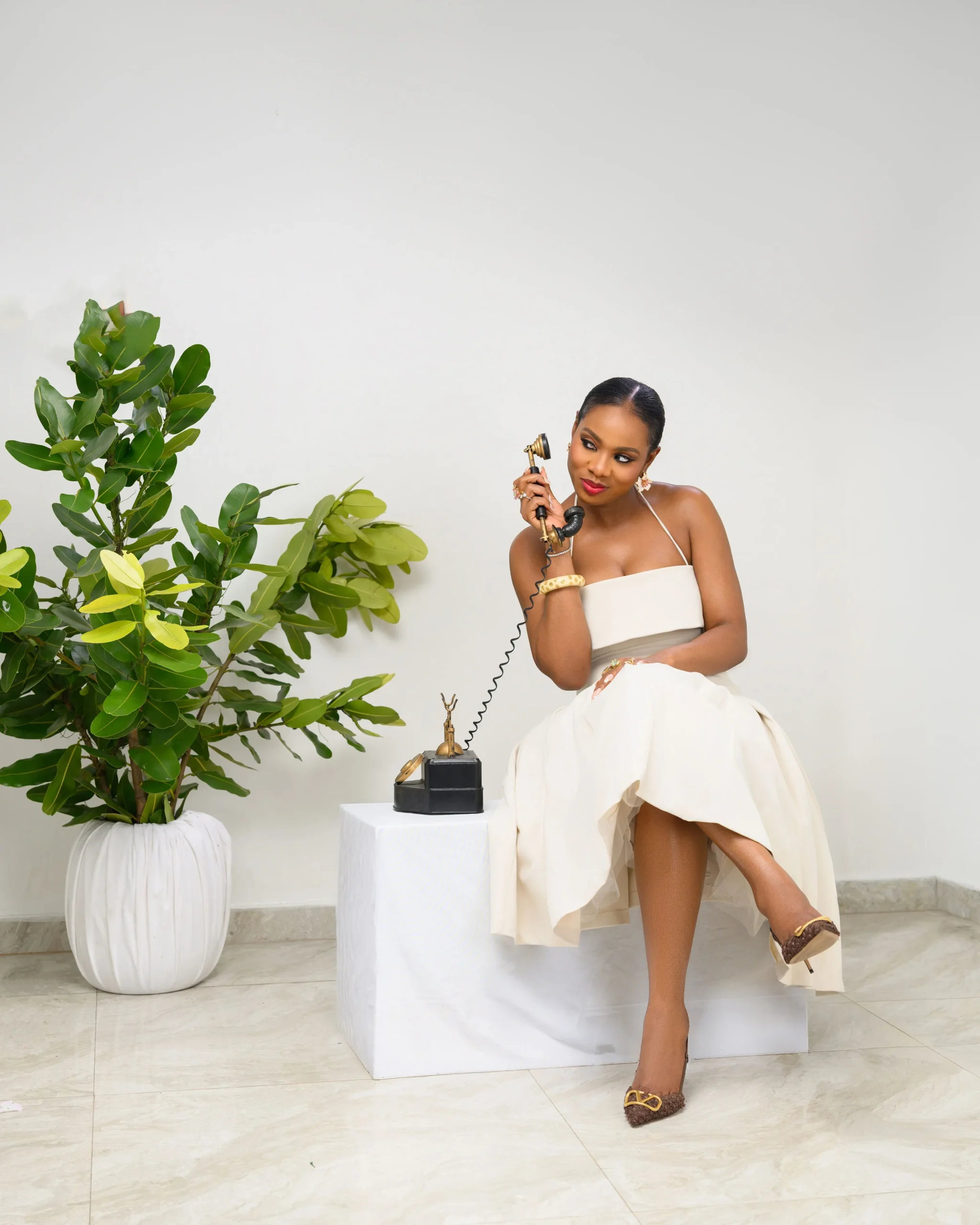
What’s the hardest leadership lesson these 15 years have taught you?
The hardest leadership lesson I have learned over the past 15 years is that leadership must continually evolve. Change is constant, dynamic and often very rapid, so a leader’s ability to respond and adapt is extremely important.
Every season and generation requires a different approach to leadership. You must be willing to learn new ways of leading, particularly when working with a new generation that may have a very different outlook and way of thinking.
It can be challenging, but it is necessary. If you rely only on what you have always known, you risk failing to recognise that the world and the people around you have changed.
Adaptability is therefore one of the most important qualities a leader can have. You must continue learning and evolving while remaining true to the values that define you.
As CEO, how do you make difficult decisions without losing sight of the people behind the business?
I think it’s one of the things you have to accept as a CEO. Being a CEO comes with the good, the bad, and the ugly, and you have a responsibility to make the difficult decisions when they need to be made.
For me, the important thing is making sure that those decisions are never driven by a desire to manipulate, to be mean, or to do what is wrong by people. As long as your foundation and your core values are right, there will be difficult decisions that simply have to be made.
When I put on the CEO hat, I try not to take those decisions personally. I see it as my job. It’s about doing what is necessary to sustain the business, ensure continuity, and ultimately protect the collective.
Because sometimes, not making a difficult decision can actually do more harm. It can destroy the very things you’re trying to protect and undermine everything good that the business could go on to create.
So, I do what I have to do, always with the bigger picture in mind, making sure that, as a collective, we continue to thrive.
How do you define success today compared to when you first launched Zaron?
I do not think my definition of success has changed significantly over the past 15 years. I have always believed that success is built on two things: growth and contribution.
For me, it means continuing to grow while contributing in as many meaningful ways as possible, whether through enterprise, resources, human capital or the wider communities around me.
I believe that the more you grow, the greater your capacity to contribute and create a positive impact. The two are closely connected.
So, even today, I still define success as growth and meaningful contribution.
Beauty & Culture
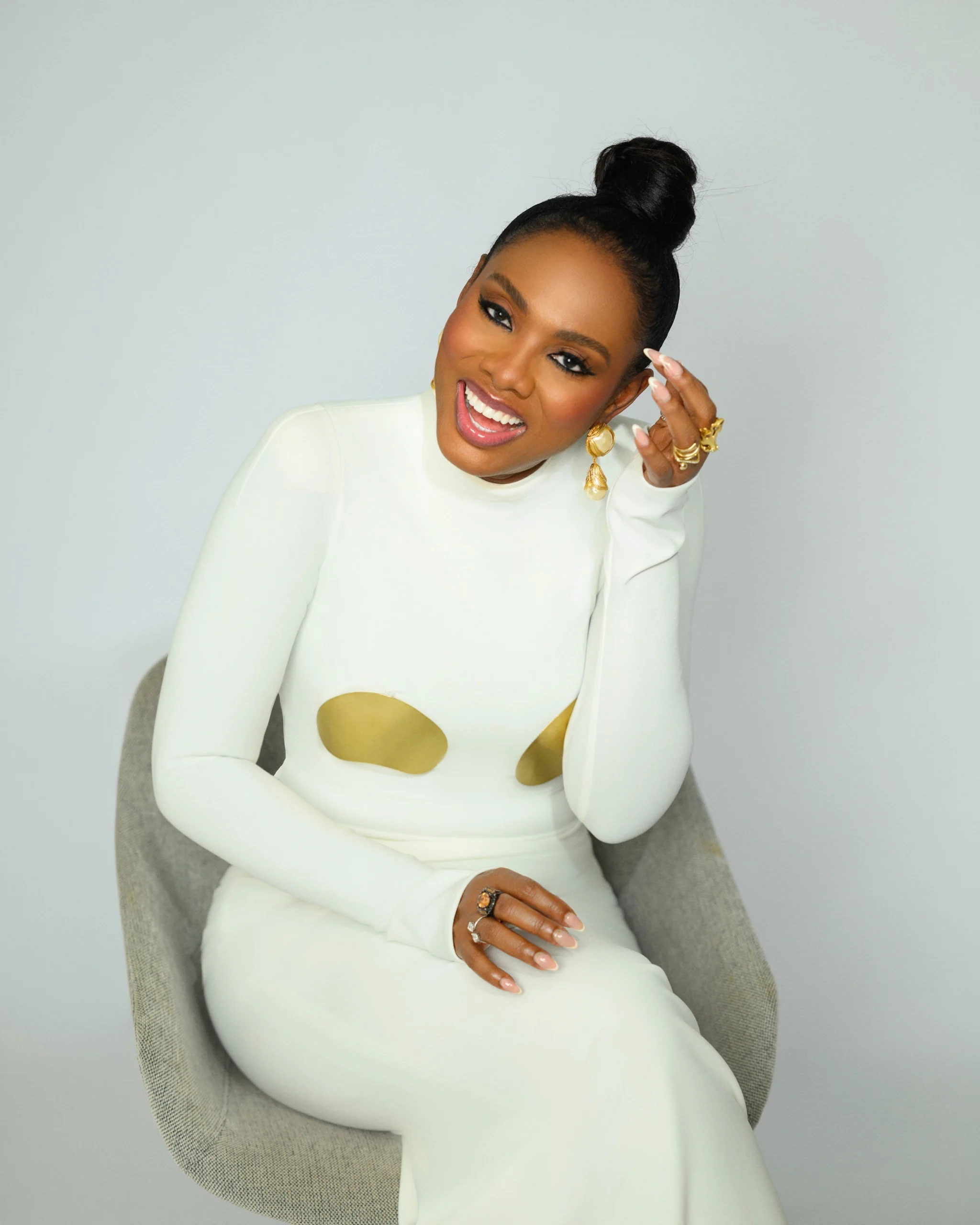
Beauty trends come and go, but confidence never goes out of style. What does beauty mean to you today?
I think the whole idea of being beautiful is really about being authentic to yourself. I’ve always believed that beauty exists in different forms and variations, and that’s very different from how we traditionally understood beauty in the past.
Today, I believe beauty is about confidence and authenticity. It means being comfortable with who you are and how you choose to express yourself. Who is to say that someone wearing 50 feathers on their head, or presenting themselves in a completely unconventional way, is not beautiful? If they feel absolutely beautiful and confident in themselves, that is what truly matters.
I’ve come to understand beauty through the lens of the person defining it. Beauty is whatever makes you feel authentic, confident, and comfortable in your own skin.
For me, personally, beauty is about being simple and elegant, and that feels absolutely beautiful to me. But if your expression is loud and bold and you love making a statement, then that can be your definition of beauty too.
So I’ve learned to appreciate beauty in all its different forms. Anything that allows you to feel authentically yourself and completely comfortable in your own skin, that is beauty to me. And I appreciate that, and I salute it.
What are younger beauty founders getting right, and where do you think they’re moving too quickly?
I think what younger founders are getting right is that they are fearless. I love their guts. I love the fact that they’re willing to take authority and go after what they want without constantly second-guessing themselves.
They’re willing to knock on doors that perhaps we weren’t able to knock on in our time. And I don’t necessarily think they’re moving too fast. I think they’re simply less afraid of making mistakes than we were.
We cared a lot about getting things right, and sometimes that fear of making mistakes restricted us. They seem to have a different mindset. They go for it, and if it doesn’t work, they learn from it and keep moving.
Of course, we worry about them sometimes, but I think what they understand, perhaps better than we did. You can’t live fully if you’re constantly held back by fear.
So I really admire that about them. They’re willing to take the risk, go for what they believe in, and figure things out along the way. And I think that’s amazing.
Do you think African beauty is finally getting the global recognition it deserves?
I think the conversation around African beauty has definitely grown, but I don’t think we’re there yet. I really don’t.
When you go into major global FMCG and retail spaces, African and Black-owned beauty brands are still often placed in a very small section, sometimes referred to as the “indie brands” category. And even when you get that exciting moment of securing distribution in one of those spaces, the numbers don’t always move the way you expect.
Part of the challenge is the sheer amount of capital required to compete at that level. To enter those markets and do the kind of marketing and brand-building required to truly succeed takes an enormous amount of investment. Unless you already have significant global recognition, it can be incredibly difficult to break through.
And even when African brands do make it into those spaces, they’re often still operating at a very small scale. So I don’t think we’re quite there yet. The conversation is ongoing, and there is still so much more work to be done.
That said, we’re definitely further along than where we started, and I believe we will get there.
For Zaron, that’s actually been part of our philosophy from the beginning. We realized that before we could think about owning the global space, we needed to own our own space first. We needed to create products for Africans, build for Africans, and establish ourselves within the African market.
So our priority has always been to build a strong African brand first, and then take that strength into the global market. I believe that’s the foundation for sustainable global recognition.
Personal
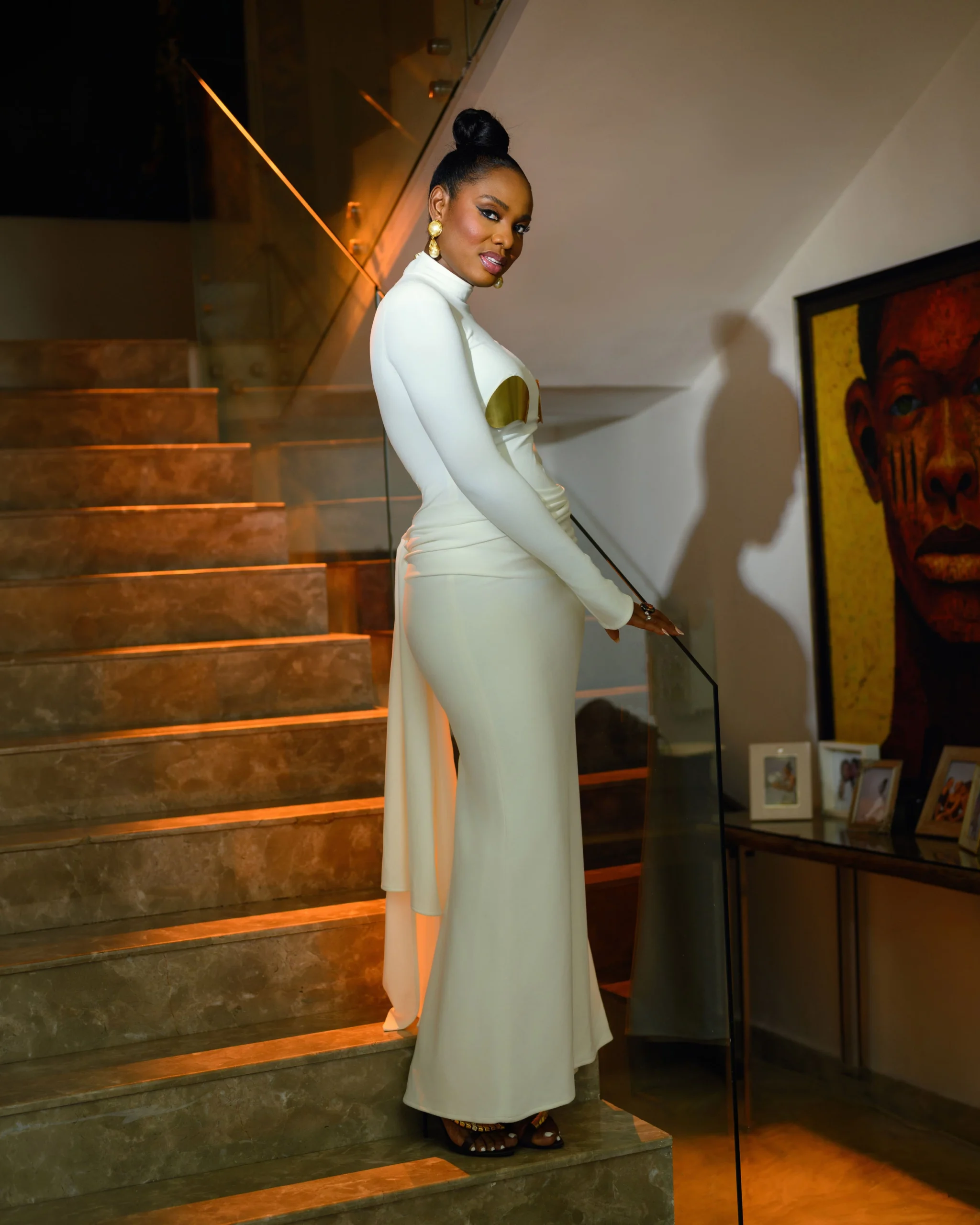
What has entrepreneurship cost you that people rarely talk about?
I had to think quite deeply about this question because I realized that, in many ways, I’m different from a lot of the women around me.
Entrepreneurship has certainly changed the way I use my time and the way I think. When other people may have more time to simply switch off and enjoy life, I often find myself thinking about the next goal, the next opportunity, the next thing we need to accomplish. A lot of my conversations revolve around business, strategy, growth, boards, and what comes next.
Sometimes I recognize that my life looks quite different from that of the women around me. But I wouldn’t necessarily say that entrepreneurship has cost me something in a negative sense, because I’m actually very comfortable in this space. I enjoy it, and I’m happy with the life I’ve built.
Perhaps the biggest difference is that I’m constantly in that mindset of, ‘What’s the next goal? What’s the next thing to do?’ And while that may mean I don’t always have the same rhythms or priorities as other women, I wouldn’t complain about it.
It’s simply who I’ve become through the journey, and honestly, I’m quite happy with that.
Outside of business, what keeps you inspired?
Outside of business, what keeps me inspired is simply being around good people and being able to recognize myself at every point in my life.
And when I say “recognize myself,” I mean that I haven’t forgotten who I am at my core. I think that’s very important to me, to continue to know myself, regardless of how much life or business changes around me.
My family also keeps me grounded and inspired. I enjoy being able to travel, experience different things, and have the resources to take care of myself and occasionally spoil myself a little.
Ultimately, it’s about having good people around me, having the right resources, being able to enjoy life, and still feeling like myself through it all. Those things keep me inspired outside of business.
When the cameras are off, who is the woman behind the title of CEO?
When the cameras are off and I’m done with work, I’m actually quite a simple person. I just want to switch off, relax, and sometimes watch a little bit of what my children would probably call “trash TV.”
They’re always embarrassed by it, but yes, I watch The Real Housewives of Atlanta. And perhaps the most surprising one of all, I also watch Love Island. Yes, I said it!
Sometimes that’s just how I unwind. I watch a bit of television, I travel, I spend time with my family, and I just allow myself to relax and enjoy life outside of work.
So, behind the CEO title, I’m really just someone who enjoys the simple things and occasionally needs a little bit of very unserious television to switch off!
Looking Forward
If the first 15 years were about building Zaron, what are the next 15 about?
If the first 15 years were about building Zaron, I would say the next 15 are about continuity. It is about ensuring that what we have built remains sustainable, continues to grow and stands the test of time.
On a personal level, I am also looking forward to the next chapter of my life. I am now in my 50s and thinking intentionally about what that chapter will look like because I believe there is still so much more to accomplish.
There are new opportunities and projects I want to pursue, some of which are already underway, and I am excited about what the future holds. Of course, I am also looking forward to becoming a grandmother one day.
There is still so much ahead, both professionally and personally, and I am genuinely looking forward to it.
What’s one dream for the African beauty industry that you’d love to see become reality?
My biggest dream for the African beauty industry is to see Africans truly take charge and own our space.
Because regardless of how far we’ve come, the reality is that a large percentage of the African beauty market is still dominated by Western brands. There are amazing African brands doing incredible things, and I’m proud of what Zaron has been able to achieve, but there is still so much work to be done.
We need to see more Africans not just starting businesses, but building businesses that truly grow, scale, and compete on a global level.
That’s what is really important to me, seeing African brands own our space here, build strong businesses, and then take those businesses to the world. I think that would be a major step forward for the African beauty industry.
What legacy do you hope Zaron leaves behind long after products and trends have changed?
I always say that my dream is for Zaron to outlive me. That’s really my biggest hope for the brand, and I pray that it happens.
When it comes to my own personal legacy, I honestly don’t spend too much time thinking about it. People often ask, “What do you want to be remembered for?” or “What do you want your legacy to be?” But I’ve never really approached life that way.
For me, it’s more about doing as much as I can while I’m here; building, contributing, creating, and making the most of the time I have.
But for Zaron, I feel very differently. I want to build a business that is bigger than me, strong enough to continue long after I’m no longer here, and able to create value for generations to come.
So, if there’s one thing I hope for the brand, it’s simply this: that Zaron outlives me.
What’s one piece of advice you’d give the version of yourself that was just starting Zaron?
I would tell my younger self that life will come with a lot of complications along the way. Be accepting of every phase, every experience, and even the judgments that come with the journey.
Understand that growth comes with a price. There will be difficult moments, there will be things you won’t understand at the time, and there will be people who may judge you. Don’t spend too much time complaining about any of it.
Just stay focused on what you know you’re doing, keep moving forward, and most importantly, remain authentic to yourself.
I think that’s the advice I would give my younger self: accept the journey, accept the price that comes with growth, and never lose yourself along the way.
Complete this sentence:
“Beauty is…”Beauty is… in the eyes of the beholder. I know, I know, that’s probably the first thing that comes to mind!
But really, beauty is timeless.
If you could put one message on the cover of every young African woman’s magazine, what would it say?
“Choose today to define your tomorrow.”