


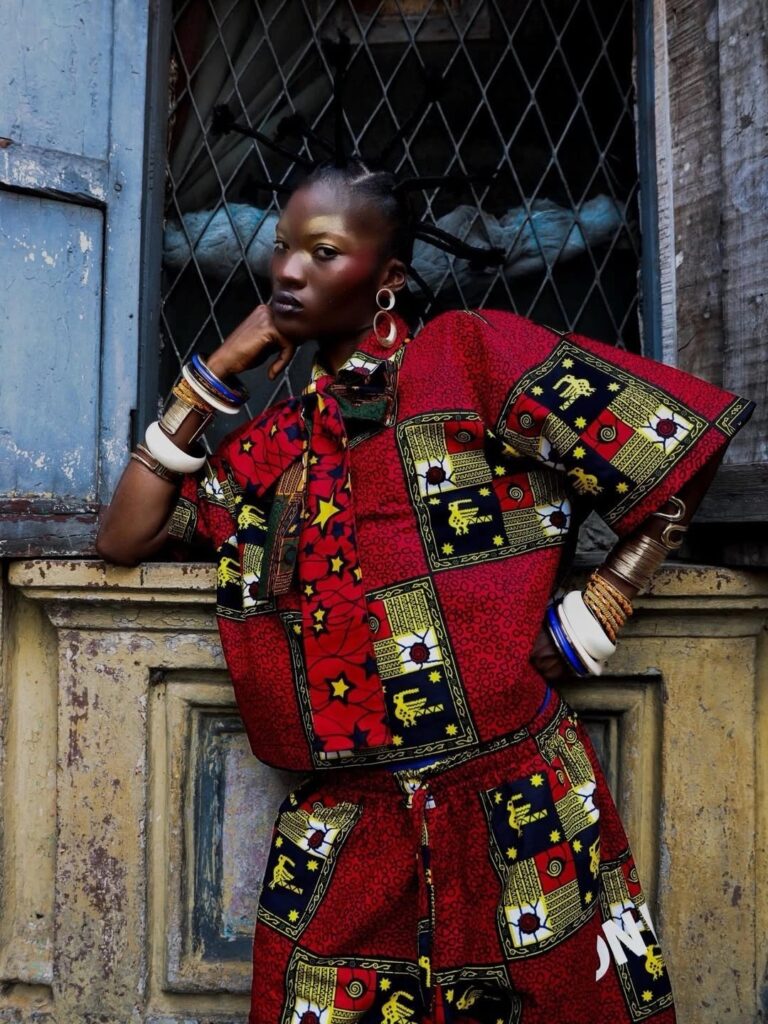
Walk into any university campus from Lagos to Accra, Nairobi to Johannesburg on any given day, and you will find the same thing: a girl in a perfectly tailored Ankara co-ord set, paired with chunky sneakers and a vintage bag, moving like she invented the assignment. She didn’t stumble into this. She chose it — deliberately, proudly, and with receipts.
For decades, the narrative around African prints in fashion has been one of gatekeeping. Either it was reserved for ceremonies and “cultural days,” or it was a motif to be borrowed and repackaged by European runways as something exotic and new. Gen Z has simply decided they’re done with both versions of that story.
“We grew up watching Western fashion brands discover what our grandmothers already knew. We stopped waiting for permission to wear our own heritage.”
— Adaeze O., 22, Fashion Design Student, Lagos
The Style Shift Nobody Saw Coming
The shift isn’t just cultural — it’s commercial. Young African designers are selling out. Brands like Mudi Africa, Tokyo James, and a new wave of TikTok-native African tailors are building waiting lists, not just followings. And the customers driving this demand? Almost entirely Gen Z. They’re not buying African fashion because it’s trendy. They’re buying it because it’s theirs, and they know the difference.
What makes this generation’s relationship with African fashion distinct is context fluency. A 21-year-old in Lagos can source Aso-oke from her aunt’s fabric collection, get it cut into a cropped bralette by a local tailor, and pair it with thrifted Levi’s and a pair of Air Force 1s — producing something that is simultaneously deeply cultural and completely contemporary. No styling guide required. No validation from Paris needed.
- Aso-oke as everyday wear, not just gele fabric for occasions
- Kente beyond the graduation sash — think tailored trousers and structured blazers
- Adire tie-dye reimagined as co-ords, not craft market pieces
- Kanga prints worn as wraps, skirts, and shoulder scarves simultaneously
- Ankara meeting streetwear: oversized silhouettes, cargo cuts, layering
When the Runway Finally Caught Up
The irony is that the same fashion weeks that once overlooked African designers are now actively courting them. But Gen Z wasn’t waiting. While the industry debated “diversity,” this generation built their own stages: Lagos Fashion Week, Accra Fashion Week, Nairobi Fashion Week — all platforms that have become cultural destinations, not consolation prizes. The SCHICK reader attended her first show at 19 and left knowing more than any fashion editor who flew in from London for the weekend.
The result is a generation of young African women who dress with a confidence that has nothing to do with brand logos and everything to do with knowing exactly who they are. Ankara is not having a moment. Ankara has always been here. The difference now is that Gen Z is too loud to be ignored — and too well-dressed to be dismissed.